
Marc Lagrange
-
 Millionaire Woman, 2010
-
Millionaire Woman, 2010
-
 White Nanou, 2002
-
 A Tale of Shadow, 2000
-
A Tale of Shadow, 2000
-
A Tale of Shadow, 2000
-
 Flower Girl, 2008
-
White Nanou, 2002
-
 Maybe Someday, 2000
-
 Camille, 2014
-
 Any Suggestion?, 2010
-
 Icarus, 2010
-
 Tsarina VIII, 2007
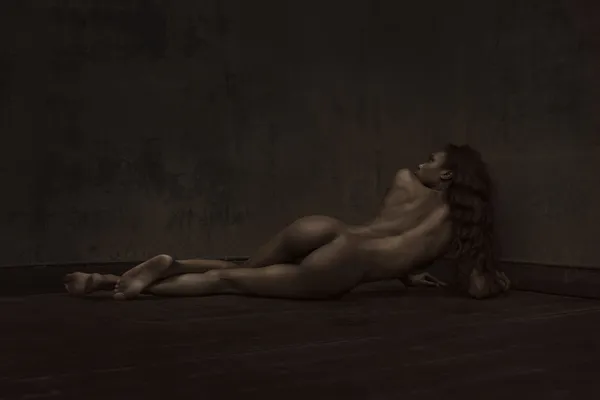
Le travail de Marc Lagrange célèbre la beauté, le plaisir et la volupté. Avec pour sujets de prédilection les nus et les portraits, son oeuvre se caractérise par des environnements luxueux et intemporels, où érotisme et intimité jouent un rôle prédominant. C’est ce climat de séduction feutré qui exsude de ses oeuvres.
Épicuriennes et rares, ses photos ne s'attardent pas sur des situations normales et ordinaires. Au contraire, son art se concentre sur ses rêves et nombreux fantasmes, échappant à la logique et aux contraintes de la réalité. Soulignant les courbes et les rondeurs, il place le corps au coeur de sa création; ainsi habillées par les décors, ses modèles deviennent de véritables personnages, combinant glamour et aisance des héroïnes Hollywoodiennes au mystère des tableaux de Maîtres. En effet, le perfectionnisme de Lagrange est évident dans ses compositions complexes et raffinées, où le moindre élément a un rôle à jouer. Ses scènes de banquets, à la fois singulières et festives, illustrent cet amour de la précision et sa capacité à créer une ambiance pertinente. Cette attention pour le détail se retrouve aussi dans la grande qualité technique de ses photographies qui, loin de l'aspect clinique et trop parfait des images actuelles, possède la chaleur du grain des tirages argentiques.
Son oeuvre est régulièrement saluée par la critique et toujours activement collectionnée dans le monde entier. Comptant de très nombreuses expositions internationales et pas moins de sept livres à son actif (Château Lagrange en 2006, Lust et Sublimes en 2008, Polarized en 2009, XXML en 2011, Diamonds & Pearls en 2013, Senza Parole en 2016, Chocolate en 2019) ainsi que des travaux vidéographiques accompagnant ses séries photographiques, Marc Lagrange est considéré comme l'un des photographes les plus marquants de ce début de siècle.
Né au Congo, Marc Lagrange vécu et travailla principalement à Anvers, en Belgique. Il s'est éteint à Tenerife en décembre 2015.


-
 Marc LagrangeNadege, Antwerpen, 2014
 -
Marc LagrangeTribhanga, Pietrasanta, 2014
-
Marc LagrangeDiaphanous, 2013
-
Marc LagrangeChloé in the Garden, Barcelona, 2010
-
Marc LagrangeLes Plumes, Antwerp, 2009
-
Marc LagrangeCarole Congo Bestseller, 2008
-
Marc LagrangeTamara Tsarina I, Presseux, 2008
-
Marc LagrangeThe Interview Before/After, Barcelona, 2008
-
Marc LagrangeThe Interview Before/After, Barcelona, 2008
-
Marc LagrangeEva After (Original Polaroid), 2007
-
Marc LagrangeBettina Molnar Studio
-
Marc LagrangeSteps Calendar 1
-
Marc LagrangeSteps Calendar 2
-
Marc LagrangeCleopatra, 2010
-
Marc LagrangeGenocide Trilogy, Antwerp, 2005
-
Marc LagrangePat Nama, Antwerp, 2005
-
Marc LagrangeThe Elephant in the Room, Handelsbeurs, Antwerp, 2014
-
Marc LagrangeEva Before / After, Antwerp, 2007
-
Marc LagrangeSilvermuseum, Antwerp, 2005
-
Marc LagrangeRwanda Girl, 2001
-
Marc LagrangeDinner at Danieli's, 1995
-
Marc LagrangeThe Custodian, Antwerp, 2013
-
Marc LagrangeChristiana II, 2012
-
Marc LagrangeConched II, 2012
-
Marc LagrangeSelene, 2012
-
Marc LagrangeSelene II, 2012
-
Marc LagrangeSugar Bloom, Anwerp, 2012
-
Marc LagrangeThe Road Ahead, 2011
-
Marc LagrangeLa Pianiste, Hasselbrouck, 2010
-
Marc LagrangeScreaming Orgasm, Berlaar (diptych), 2012
-
Marc LagrangeTara Blake, Antwerp, 2012
-
Marc LagrangeMy Goddess, El Jadida, 2011
-
Marc LagrangeNamasté, Antwerp, 2011
-
Marc LagrangeOne Thousand Rings (Color), 2011
-
Marc LagrangeCarole, Madonna, 2010
-
Marc LagrangeCatch Me if You Can, 2009
-
Marc LagrangeCarole at Villa C – Before/After, 2007
-
Marc LagrangeShéhérazade, 1998
-
Marc LagrangeTidings of Joy, Antwerp, 2015
-
Marc LagrangeFleur de Pavé, 2014
-
Marc LagrangeColours Nailed to the Mast, Antwerp, 2013
-
Marc LagrangeCamille dans mon Bureau (Before & After), Antwerp, 2010
-
Marc Lagrange30 Years Before & After (Diptych), 2008
-
Marc LagrangeMoonlandscape, Namibia, 2008
-
Marc LagrangeMascerade, Presseux, 2007
-
Marc LagrangeNue au Soleil d'Ibiza, 2007
-
Marc LagrangeSuzanne Flower, 2011
-
Marc LagrangeSnow White, 2009
-
Marc LagrangePrincess With Pearls, Presseux, 2008
-
Marc LagrangePrincess With Pearls, Presseux, 2008
-
Marc LagrangeEva Before (Original Polaroid), 2007
-
Marc LagrangeMarina on the Chair, Antwerp, 2004
-
Marc LagrangeMarina, Antwerp, 2004
-
Marc LagrangeThe Fencer Back
-
Marc LagrangeTusk, 2015
-
Marc LagrangeBonne The Face, 2000
-
Marc LagrangeLa Perle de Tahiti, Antwerp, 2012
-
Marc LagrangeBettina O!, 2010
-
Marc LagrangeMy Last Polaroid, Brussels, 2010
-
Marc LagrangeBlack Flower, 2008
-
Marc LagrangePompadour High Tea (Polaroid version), Presseux, 2008
-
Marc LagrangeAngels and Saints, Pietrasanta, 2015
-
Marc LagrangeAngels and Saints, Pietrasanta, 2015
-
Marc LagrangeMichelangelo's Sling, Pietrasanta, 2015
-
Marc LagrangeRomy Muse, Antwerp, 2015
-
Marc LagrangeThe Phrygian Cap, Antwerp, 2015
-
Marc LagrangeBubu, 2014
-
Marc LagrangeEmilie, Antwerp, 2014
-
Marc LagrangeInfinite Possibilities, 2014
-
Marc LagrangeBall Bearing, Antwerp, 2013
-
Marc LagrangeButterfly, 2013
-
Marc LagrangeGrandeur, 2013
-
Marc LagrangeIn Vino Veritas, 2013
-
Marc LagrangeUnknown, Lanzarote, 2008
-
Marc LagrangeSpaghetti Al Dente, 2004
-
Marc LagrangeThe Red Carpet, 2014
-
Marc LagrangeWild Romance, Antwerp, 2013
-
Marc LagrangeLe Chapeau de Roxanne, 2012
-
Marc LagrangeAmongst Lilies, 2011
-
Marc LagrangeChesterfield Fun, 2011
-
Marc LagrangeThe Birds, Hasselbrouck, 2010
-
Marc LagrangeLady in Red, Ibiza, 2008
-
Marc LagrangeNamib Tree, Namibia, 2008
-
Marc LagrangeThe Straw that Broke the Camel's Back - Color Version, 2014
-
Marc LagrangeFleur de Pavé, 2014
-
Marc Lagrange1000 Eyes, 2014
-
Marc LagrangeTwo Girls Hanging, 1994
-
Marc LagrangeTorso, diptych, 1994
-
Marc LagrangeCrazy Horse, 2013
-
Marc LagrangeDaedalus, 2011
-
Marc LagrangeHumble, 2015
-
Marc LagrangeMoelleux, 2012
-
Marc LagrangePeau De Soie, 2015
-
Marc LagrangeSicily, 2000
-
Marc LagrangeThe Kiss, 2015
-
Marc LagrangeThe World is Your Oyster, Koksijde, 2014
-
Marc LagrangeChristiana, 2012
-
Marc LagrangeRunaway, El Jadida, 2011
-
Marc LagrangeBella Donna, 2012
-
Marc LagrangeCapricorn, 2011
-
Marc LagrangeEl Jadida, 2011
-
Marc LagrangeLes Florettes, 2018
-
Marc LagrangeOne Reed, 2011
-
Marc LagrangeThunder Strip, 2012
-
Marc LagrangeDelvaux' Dream, 2014
-
Marc LagrangeDelvaux' Dream, 2014
-
Marc LagrangeFlidais, 2014
-
Marc LagrangeGot My Mojo Working, 2013
-
Marc Lagrangeinfinite Possibilities, 2014
-
Marc LagrangeInner Peace, 2014
-
Marc LagrangeInner Peace, 2014
-
Marc LagrangeLeather and Lace, 2013
-
Marc LagrangeLet There Be Light, 2014
-
Marc LagrangeMomento Mori, 2014
-
Marc LagrangeMilani's Miter, 2015
-
Marc LagrangeThe Straw that Broke the Camel's Back, 2014
-
Marc LagrangeAlla Grigorieva B&W, 2015
-
Marc LagrangeA Tale of Shadow, 2000
-
Marc LagrangeAlto Rilievo, 2015
-
Marc LagrangeDelvaux' Retraits, 2014
-
Marc LagrangeFlidais' Function, 2014
-
Marc LagrangeNadège, 2015
-
Marc LagrangeBlind Date II, 2008
-
Marc LagrangeExotic by Nature, 2011
-
Marc LagrangeFlower Girl, 2008
-
Marc LagrangeBabylon, 2013
-
Marc LagrangeJosephine Baker, 2011
-
Marc LagrangeRoversi, 2000
-
Marc LagrangeThe Bird, 2008
-
Marc LagrangeWhite Nanou, 2002
-
Marc LagrangeMaybe Someday, 2000
-
Marc LagrangeIce Queen, 2009
-
Marc LagrangeCamille, 2014
-
Marc LagrangeYaya, 2011
-
Marc LagrangeValerie Flower, 2001
-
Marc LagrangeChan Chiu, 2014
-
Marc LagrangeBlack Mermaid, 2005
-
Marc LagrangeCabaret, 2010
-
Marc LagrangeBreakfast at Tiffany's II, 2012
-
Marc LagrangeAny Suggestion?, 2010
-
Marc LagrangeIcarus, 2010
-
Marc LagrangeLobster Dinner, 2006
-
Marc LagrangeBlack Flower, 2008
-
Marc LagrangeBlind Date I, 2001
-
Marc LagrangeChloé, 2010
-
Marc LagrangeMarina Behind the Curtain, 2012
-
Marc LagrangeRwanda Girl, 2001
-
Marc LagrangeTsarina VIII, 2007
-
Marc LagrangeTusk, 2015




-
Iconic
Marc Lagrange [Prolongation → 28.02] 19 Novembre 2025 - 28 Mars 2026Echo Fine Arts a le plaisir de présenter « Iconic Marc Lagrange », une exposition individuelle célébrant l’œuvre du photographe belge Marc Lagrange (1957–2015). Pour la première fois en France depuis 10...Lire plus -
Summer Exhibition
Group Show 1 Juillet - 14 Septembre 2025Echo Fine Arts a le plaisir de présenter une exposition collective célébrant les moments forts de l’année écoulée et au-delà. Cette sélection réunit les paysages surréalistes d’Astrid Verhoef , l'installation...Lire plus -
Accrochage Hivernal
Exposition Collective 18 Décembre 2024 - 1 Février 2025Cet hiver, nous vous invitons à vous immerger dans une exposition photographique collective célébrant les diverses visions créatives de 14 de nos artistes. Chacun apporte une perspective unique sur la...Lire plus -
Marc Lagrange
by Echo Fine Arts 10 Décembre 2020 - 31 Janvier 2021"Marc Lagrange by Echo Fine Arts", la premiere exposition individuelle en ligne du photographe Belge Marc Lagrange (1957-2015)Lire plus


